Meet the next generation of inequality research
In the ISI Pipeline Program, outstanding young researchers meet leading international scientists. The 2026 cohort is creating new alliances, fresh perspectives, and projects that will be talked about.
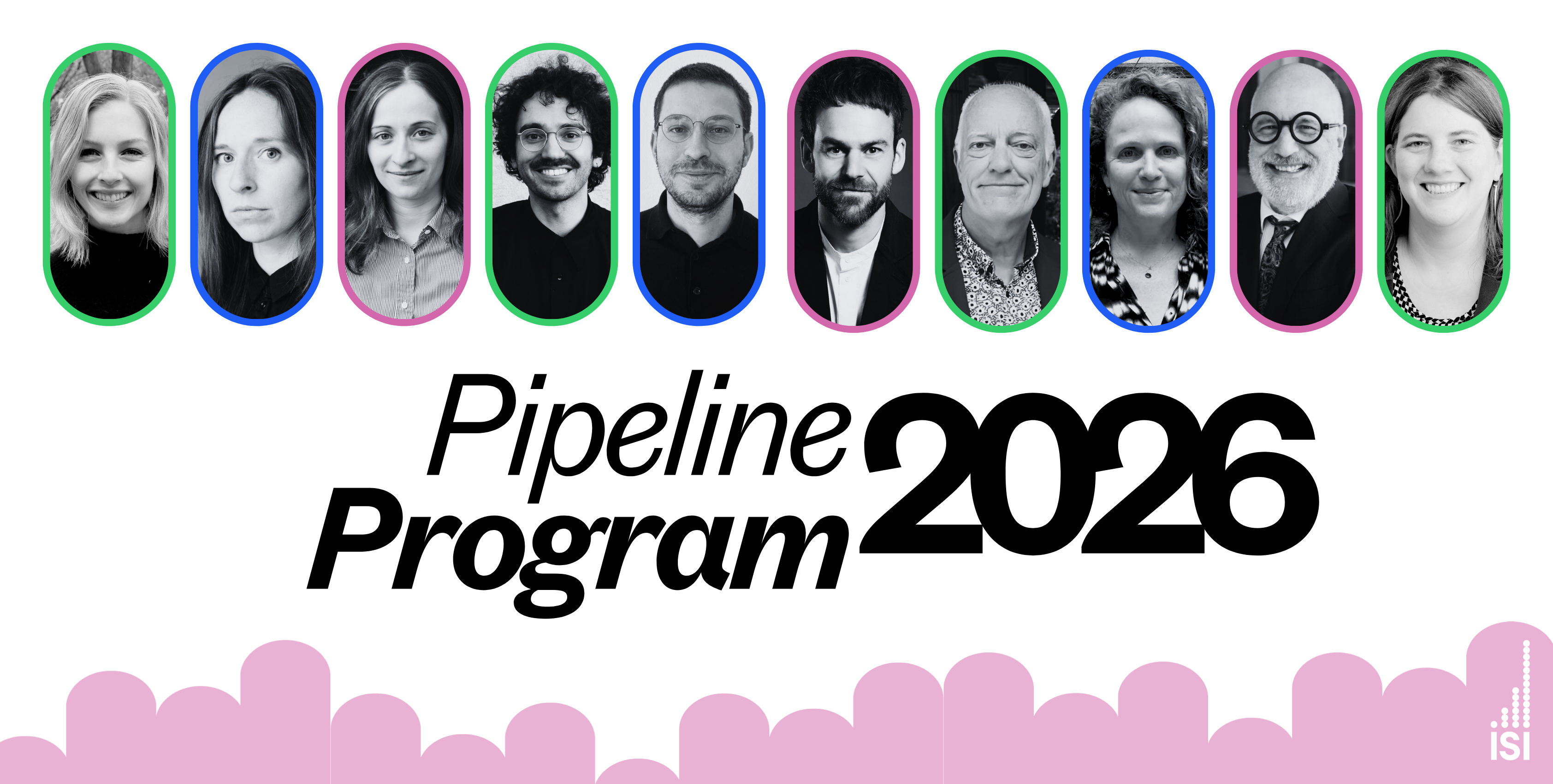
Big ideas rarely come alone. They grow in conversation, in carefully reading a draft, in asking wisely at the right time. That is exactly where the ISI Pipeline Program comes in. Once a year, it brings together young scientists from all over the world with experienced, internationally visible researchers in inequality and wealth research.
What unites them is not the location but the topic. The tandems are brought together based on their content, on the basis of shared questions and common interests. This creates working relationships across national borders, new perspectives and often networks that extend far beyond the program.
Over a period of twelve months, the tandems meet regularly, fine-tune their arguments, sharpen their analyses and advance a clearly defined research project. A personal visit to the mentor's home institution creates space for in-depth discussions and new ideas. In October, all participants will finally come together in Munich to present and discuss their work at the ISI Pipeline Workshop.
The 2026 cohort has now been determined. We are pleased to present this year's tandems.
Elena G. van Stee is a doctoral student in sociology at the University of Pennsylvania and a fellow in sociology at Harvard University. Her research explores culture and inequality, with a focus on parent-child relationships in young adulthood. Based on interviews with young US university graduates and their parents, her current research analyses how families negotiate financial support in the face of high economic barriers to independence and continuing cultural expectations of self-sufficiency.

Sam Friedman is a professor of sociology at the London School of Economics and a leading scholar in class and inequality, with a particular focus on the cultural dimensions of contemporary class differences. He is a co-author of Born to Rule, which uses large-scale historical and qualitative analyses to explore how the British elite has changed over the past 120 years. Building on this work, he continues to research the formation of elites and at the same time leads projects on cross-class friendships and the social stratification of cultural taste preferences in the UK.
**********************************************************************************
Shay O'Brien is a postdoctoral associate at the James M. and Cathleen D. Stone Center on Inequality and Shaping the Future of Work at MIT. She was previously a postdoctoral scholar in the Stone Program in Wealth Distribution, Inequality, and Social Policy at Harvard University. She received her doctorate in sociology from Princeton University and researches inequality, elite networks, and the distribution of wealth in the United States. Her work draws on both qualitative and quantitative data to explore how resources circulate across kinship and institutional relationships.

Mike Savage is a Professorial Research Fellow at the International Inequalities Institute at the London School of Economics, where he was Founding Co-Director and served as Director from 2015 to 2020. He also played a central role in establishing the Atlantic Fellows Programme as the Institute's flagship initiative and was its founding director in 2016—17. Since 2019, he has coordinated the Institute's Wealth, Elites and Tax Justice research focus, which has had significant scientific and political impact. As a distinguished sociologist, Savage was a key figure in reviving class analysis and in developing public-oriented, collaborative approaches to researching economic inequality.
**********************************************************************************
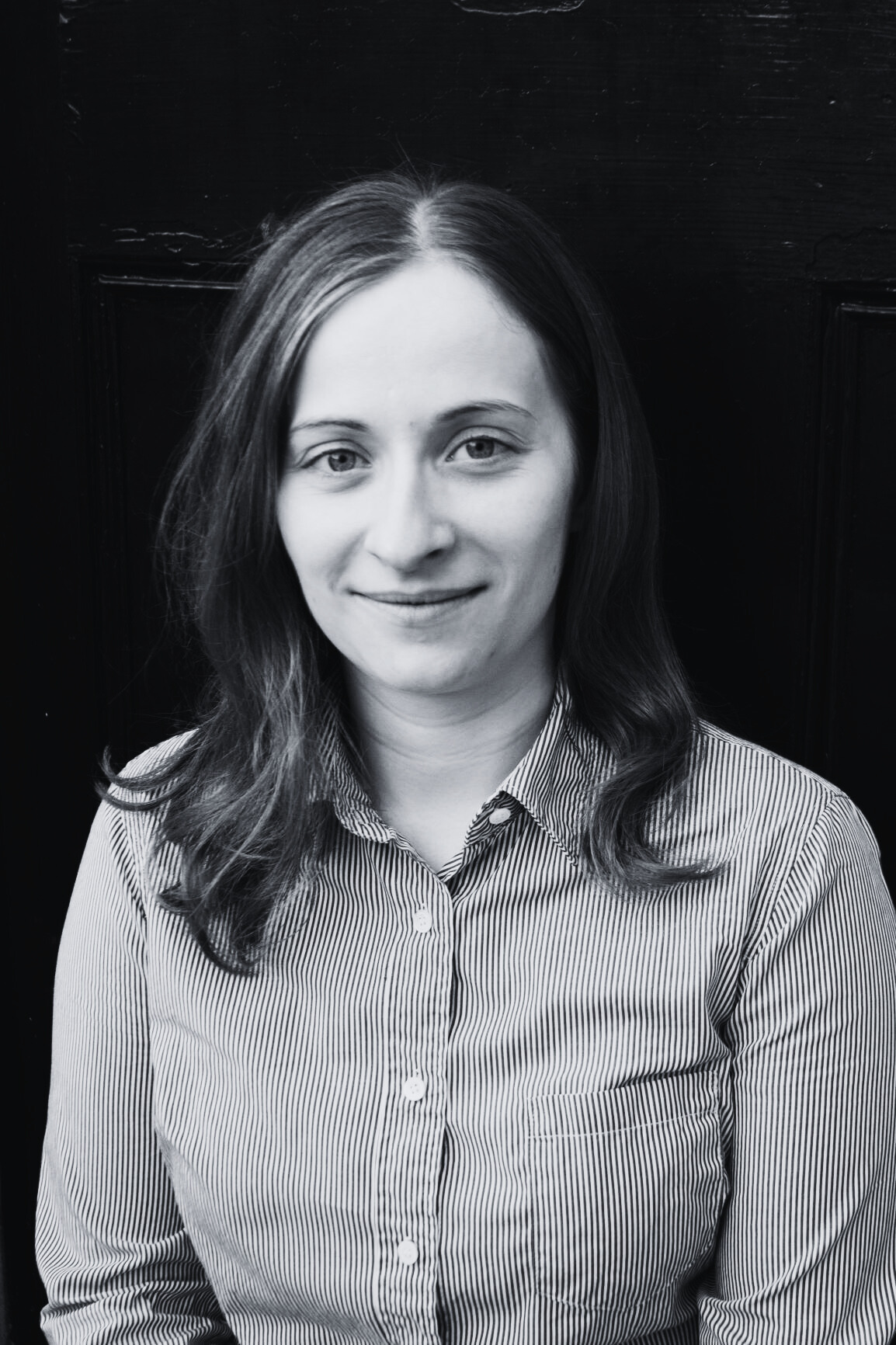
Angelina Grigoryeva is an Assistant Professor in the Department of Sociology at the University of Toronto (Canada), where she is also affiliated with the Data Sciences Institute. She received her Ph.D. in Sociology with a Certificate in Demography from Princeton University, followed by a David E. Bell postdoctoral fellowship in the Center for Population and Development Dynamics at Harvard University. Her research examines the shift to stock-based compensation and its implications for growing wealth inequality in the United States. Another strand of her work investigates micro-segregation and its consequences for wealth inequality from a historical perspective. More recently, Angelina was the inaugural Research Fellow at the Stone Center for Inequality Dynamics at the University of Michigan, Ann Abror.
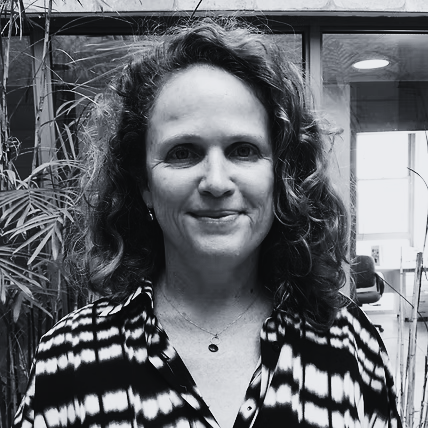
Tali Kristal is a political economist and sociologist whose research focuses on income inequality and the distribution of income between labor and capital. She is a professor of sociology at the University of Haifa in Israel. She pioneered the analysis of the share of work in national income and showed the central role of trade unions and state policy in shaping inequality in advanced economies. She developed the class-biased technological change approach and published influential comparative research based on linked employer-employee data from the United States and Israel.
**********************************************************************************
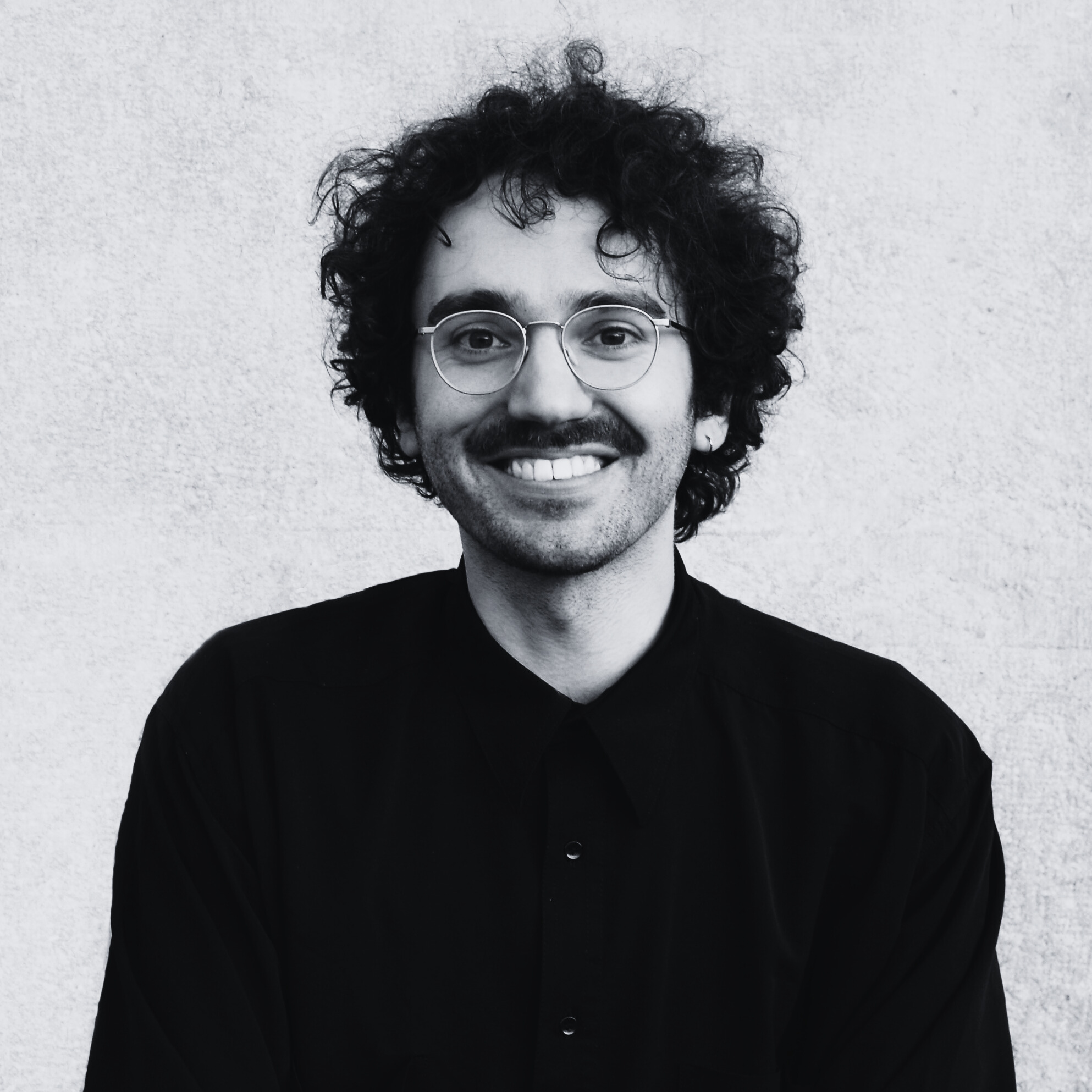
Christophe Van Langenhove is Assistant Professor of Economics at the Vrije Universiteit Brussel and Associate Researcher at the University of Ghent. He received his doctorate in economics from the University of Ghent in 2025. His research aims to understand the drivers of wealth inequality and wealth mobility, using empirical microdata and theoretical models with heterogeneous actors. At the Vrije Universiteit Brussel, he teaches introductory and advanced courses in macroeconomics and supervises master's theses.

Steven N. Durlauf is a researcher in the field of inequality research. He is founding director of the Stone Center for Research on Wealth Inequality and Mobility at the University of Chicago. He is known for integrating sociological ideas into economic theories of inequality, poverty, and intergenerational mobility, as well as for research that shows how statistical analyses can reveal the mechanisms behind multiple dimensions of inequality. His work has had a broad impact in economics and social sciences and has shaped empirical approaches to the investigation of social stratification.
**********************************************************************************
.jpg)
Davide Gritti is a sociologist and holder of a research fellowship in the Department of Sociology and Social Research at the University of Trento in Italy. He received his doctorate in sociology and social research from the University of Trento in 2024 with a dissertation entitled "Keep it in the family. Wealth in times of family changes", supervised by Prof. Stefani Scherer. Using quantitative and demographic approaches, his research focuses on family sociology and social demography, with particular attention to wealth accumulation and transfer, home ownership and housing, and wider patterns of socio-economic inequality.
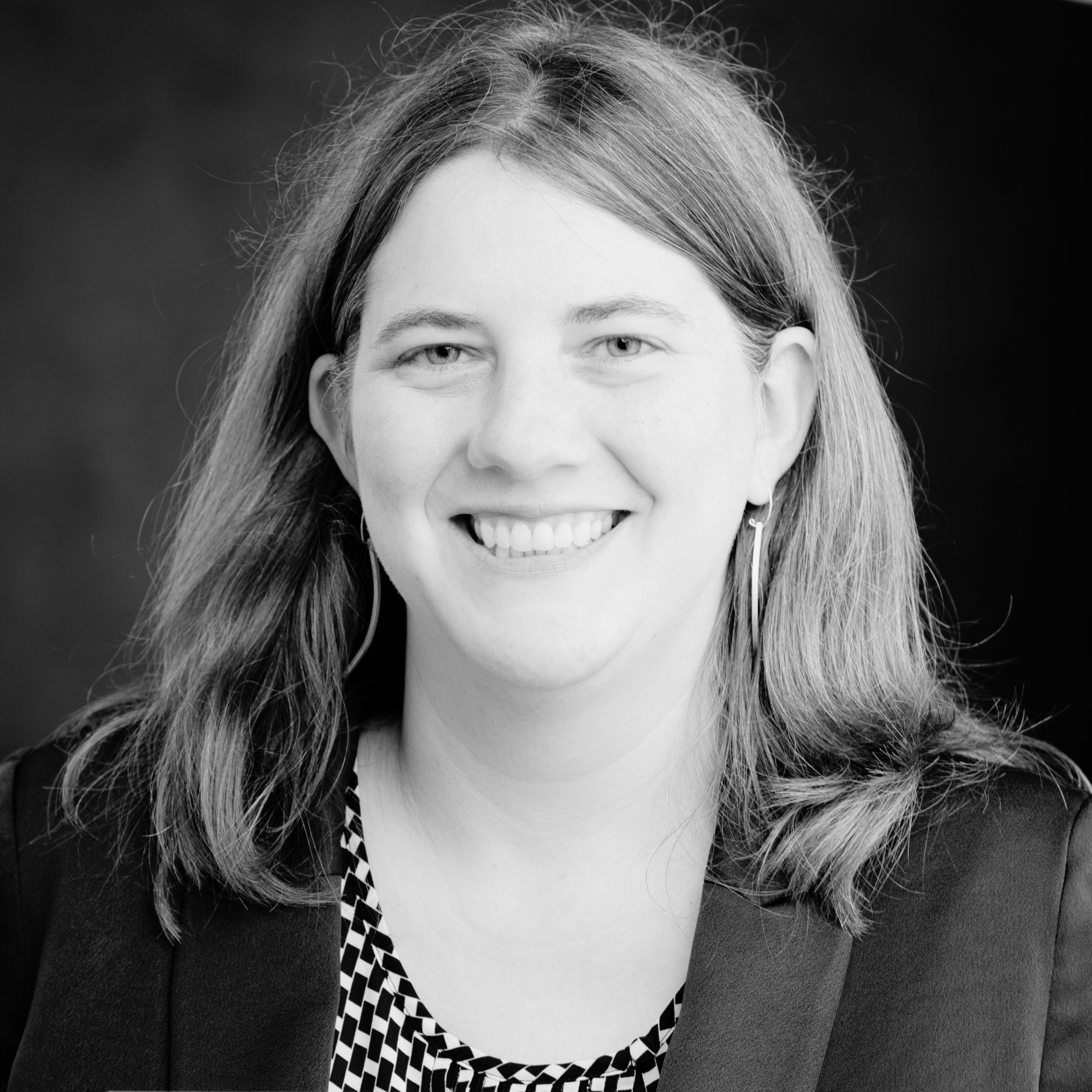
Alexandra (Sasha) Killewald is Professor of Sociology, Director of the Stone Center for Inequality Dynamics, and Robert F. Schoeni Research Professor at the Institute for Social Research at the University of Michigan in the United States. She uses quantitative methods to study inequality in the contemporary United States. In a line of research, Killewald investigates the gender-specific interface between work and family and explores how parenting, paid work and unpaid work are linked differently for men and women. In a second line of research, she analyses how wealth inequality persists across generations and what role intergenerational processes play in maintaining wealth disparities.