Wealth and Social Cohesion from a Relational Perspective
An international research project is underway at ISI that investigates a central question of our time: How does social cohesion change when the wealthy and everyone else increasingly live in separate worlds? Supported by the Volkswagen Foundation, the team is following the traces of this growing distance in everyday life. Here we present the project and the researchers behind it.
It doesn't start with a number, but with a feeling — that the wealthy are not simply richer, but live in a completely different world: in their own neighborhoods, schools, and areas of influence. An international research project based at ISI is investigating how this growing segregation affects the fabric of society. An international group of scientists has received funding of 1.6 million euros from the Volkswagen Foundation to research whether the increasing distance between the wealthy and everyone else has now become so great that it threatens social cohesion.
The project Wealth and Social Cohesion from a Relational Perspective investigates how structural segregation — social, spatial, institutional — undermines democratic trust and civil cooperation. “We are investigating whether the growing gap between elites and the general population is eroding the glue that holds our society together,” says Fabian Pfeffer, member of the project team. The team wants to develop new tools to measure wealth relationally: not only who owns how much, but how far the top has moved away from the rest. By comparing countries and local experiences, researchers want to understand how inequality is experienced and how much a democracy can cope with before it begins to disintegrate.
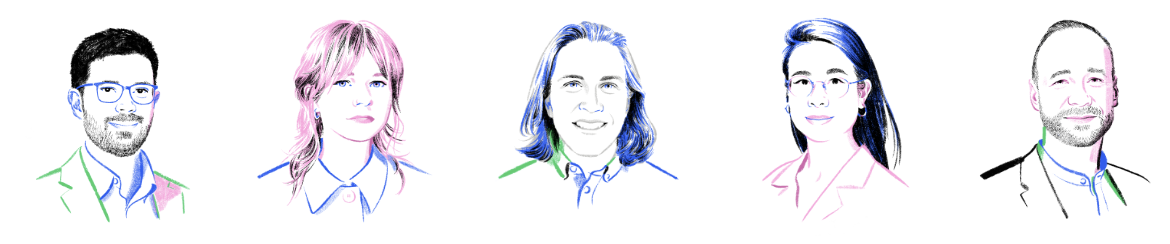
On the project website, you will soon find an overview to the other members of the project team behind Wealth and Social Cohesion from a Relational Perspective and their research contents. The following researchers, among others, are currently working on this project: